
Why Surgeons Enroll in Advanced Rhinoplasty Training Programs?
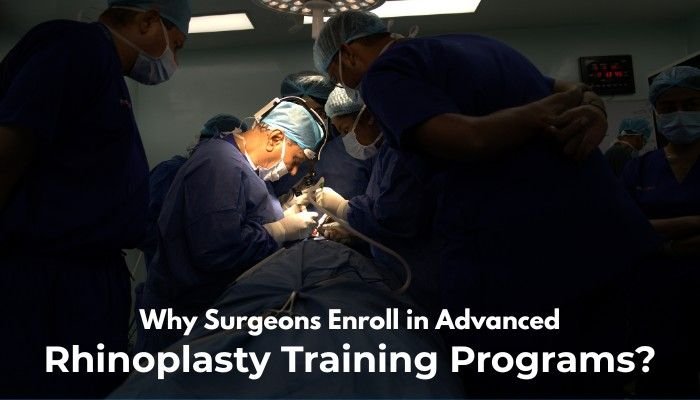
Why Surgeons Enroll in Advanced Rhinoplasty Training Programs?
 Riams
Riams The global demand for cosmetic and functional nasal surgery continues to rise, making advanced rhinoplasty education increasingly important for modern surgeons. Today, both ENT specialists and plastic surgeons are actively seeking a specialized rhinoplasty training program for surgeons to improve surgical precision, expand clinical expertise, and deliver better patient outcomes.
Rhinoplasty is one of the most technically demanding facial procedures. Success depends not only on surgical ability but also on anatomical understanding, aesthetic judgment, airway preservation, and complication management. This is why many surgeons enroll in an Advanced Rhinoplasty Course, Rhinoplasty Fellowship, or ENT Rhinoplasty Training program to strengthen their skills in modern nasal surgery.
As surgical education evolves globally, structured rhinoplasty programs now focus on evidence-based learning, preservation techniques, revision procedures, and In OT Assistance exposure to real surgical workflows.
What Is a Rhinoplasty Training Program?
A rhinoplasty training program for surgeons is a specialized educational pathway designed to teach cosmetic and functional nasal surgery techniques.
These programs typically include:
- Nasal anatomy and physiology
- Facial analysis
- Surgical planning
- Functional rhinoplasty
- Cosmetic rhinoplasty
- Revision rhinoplasty
- Preservation rhinoplasty
- Complication management
Why Surgeons Pursue Advanced Rhinoplasty Education?
Increasing Patient Demand
Global interest in facial aesthetic procedures has grown significantly over the past decade. Patients now seek surgeons capable of delivering:
- Natural results
- Functional airway preservation
- Customized nasal reshaping
- Ethnic rhinoplasty expertise
Specialized training helps surgeons meet these expectations.
Complexity of Rhinoplasty Surgery
Rhinoplasty combines:
- Facial aesthetics
- Structural engineering
- Airway function
- Tissue preservation
Because of this complexity, many surgeons pursue advanced education to refine surgical judgment and precision.
Evolution of Modern Techniques
Modern rhinoplasty has shifted toward:
- Structural preservation
- Minimally traumatic approaches
- Ultrasonic instrumentation
- Preservation rhinoplasty
Continuous education allows surgeons to stay updated with evolving techniques and global best practices.
Who Should Join a Rhinoplasty Course?
Otorhinolaryngologists (MS, DNB, DLO)
ENT surgeons benefit from rhinoplasty education because they already possess strong airway and nasal anatomy expertise.
Plastic Surgeons (MCh, DNB)
Plastic surgeons pursuing facial aesthetic specialization often join rhinoplasty training programs to expand procedural capabilities.
Facial Plastic Surgeons
Specialized rhinoplasty education enhances expertise in:
- Revision cases
- Ethnic rhinoplasty
- Structural reconstruction
Young Surgeons
Early-career surgeons can accelerate learning through structured education and expert mentorship.
How Can a Rhinoplasty Training Course Improve Surgical Skills?
Enhanced Anatomical Knowledge
Training programs provide detailed education on:
- Nasal framework
- Cartilage dynamics
- Airflow mechanics
- Facial proportions
Better Surgical Planning
Surgeons learn:
- Case analysis
- Digital planning
- Patient selection
- Procedural sequencing
In OT Assistance Experience
One of the most valuable aspects of a quality training program is exposure through In OT Assistance, allowing surgeons to observe real surgical decision-making and understand advanced procedural nuances.
Improved Complication Management
Programs often teach:
- Revision strategies
- Airway correction
- Scar management
- Functional reconstruction
This contributes to safer and more predictable outcomes.
What Techniques Are Taught in an Advanced Rhinoplasty Course?
Structural Rhinoplasty
Topics include:
- Septal reconstruction
- Cartilage grafting
- Tip refinement
- Dorsal support techniques
Preservation Rhinoplasty
Modern preservation-focused courses teach:
- Dorsal preservation
- Ligament preservation
- Tissue conservation
- Reduced structural disruption
Revision Rhinoplasty
Surgeons learn techniques for correcting:
- Functional deformities
- Aesthetic complications
- Previous surgical outcomes
Ethnic Rhinoplasty
Advanced programs also focus on:
- Cultural aesthetic considerations
- Anatomical diversity
- Personalized treatment planning
How Does Preservation Rhinoplasty Training Differ From Traditional Rhinoplasty?
Traditional rhinoplasty often involves aggressive structural modification.
In contrast, Preservation Rhinoplasty Training focuses on conserving native anatomy whenever possible.
Benefits of Preservation Techniques
- More natural appearance
- Better structural stability
- Reduced postoperative swelling
- Improved functional outcomes
This technique is becoming increasingly popular globally.
Why Is ENT Rhinoplasty Training Important?
Dedicated ENT Rhinoplasty Training helps surgeons combine functional and cosmetic expertise.
Benefits include:
- Improved airway-focused surgery
- Better septal reconstruction skills
- Enhanced understanding of nasal physiology
- Ability to manage both aesthetic and breathing concerns
This integrated approach improves overall patient care.
What Should Surgeons Look for Before Enrolling?
Experienced Faculty
Choose programs led by recognized rhinoplasty educators and experienced surgeons.
Comprehensive Curriculum
A strong course should cover:
- Anatomy
- Surgical planning
- Preservation techniques
- Revision surgery
- Complication management
In OT Assistance Opportunities
Programs offering In OT Assistance provide valuable insight into surgical workflows and procedural execution.
Evidence-Based Learning
Look for training supported by:
- Clinical research
- Published literature
- Long-term outcome analysis
Career Benefits of Completing a Rhinoplasty Course.
Expanded Clinical Services
Surgeons can offer:
- Cosmetic rhinoplasty
- Functional rhinoplasty
- Revision procedures
Greater Professional Confidence
Specialized education improves:
- Surgical planning
- Decision-making
- Technical execution
Increased Referrals
Advanced expertise often leads to:
- Better reputation
- Increased patient trust
- More professional referrals
Academic and Professional Growth
Training can open opportunities for:
- Conference speaking
- Teaching roles
- Research involvement
Conclusion
A specialized rhinoplasty training program for surgeons is one of the most effective ways to improve nasal surgery expertise, strengthen surgical confidence, and enhance patient outcomes. Whether pursuing an International Rhinoplasty Course, Rhinoplasty Fellowship, Preservation Rhinoplasty Course, or ENT Rhinoplasty Training, continuous education remains essential in modern facial plastic surgery.
As rhinoplasty techniques continue evolving globally, surgeons who invest in advanced training are better positioned to deliver safe, functional, and aesthetically refined outcomes.
Frequently Asked Questions
What is a rhinoplasty training program for surgeons?
It is a specialized educational program designed to teach cosmetic and functional nasal surgery techniques.
Who should join a rhinoplasty course?
ENT surgeons, plastic surgeons, facial plastic surgeons, and doctors interested in nasal surgery.
What is taught in an Advanced Rhinoplasty Course?
Advanced programs teach structural rhinoplasty, preservation techniques, revision surgery, grafting, and complication management.
Is a rhinoplasty fellowship better than a rhinoplasty course?
A fellowship provides immersive long-term learning, while a course offers focused short-term education.
Why is Preservation Rhinoplasty Training important?
Because it preserves native nasal structures and may improve both aesthetic and functional outcomes.
Why is In OT Assistance valuable during training?
In OT Assistance helps surgeons understand real surgical workflows, procedural strategies, and operative decision-making.