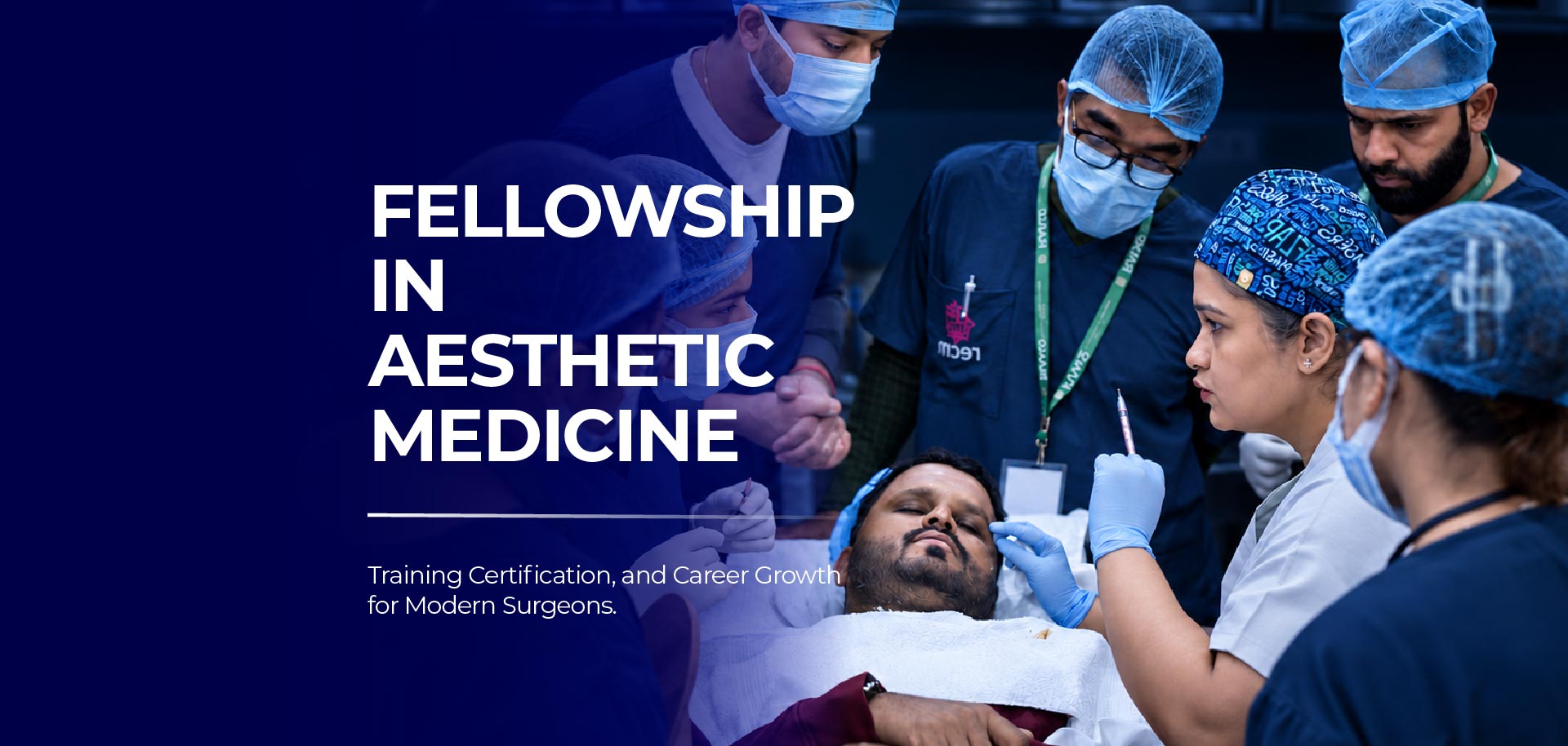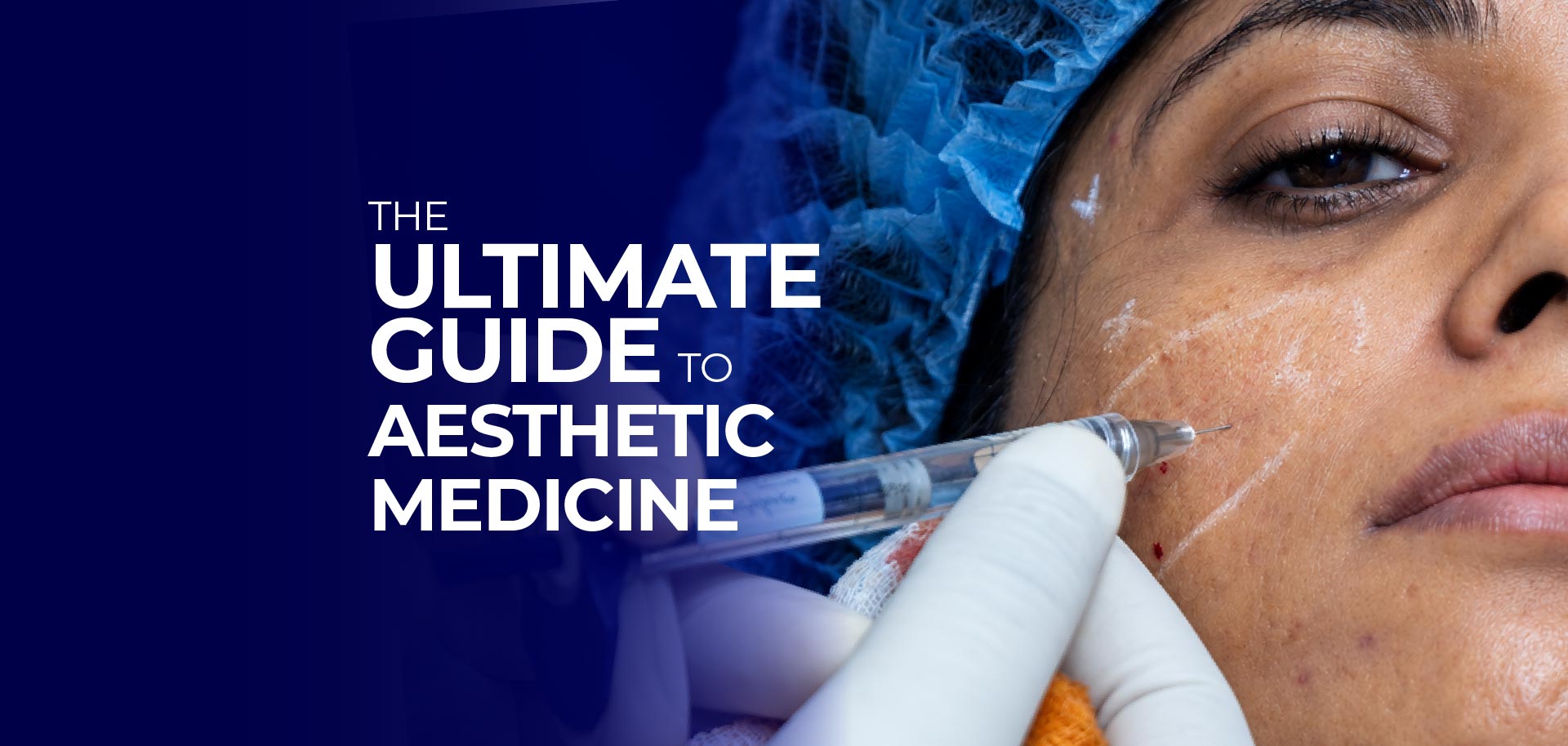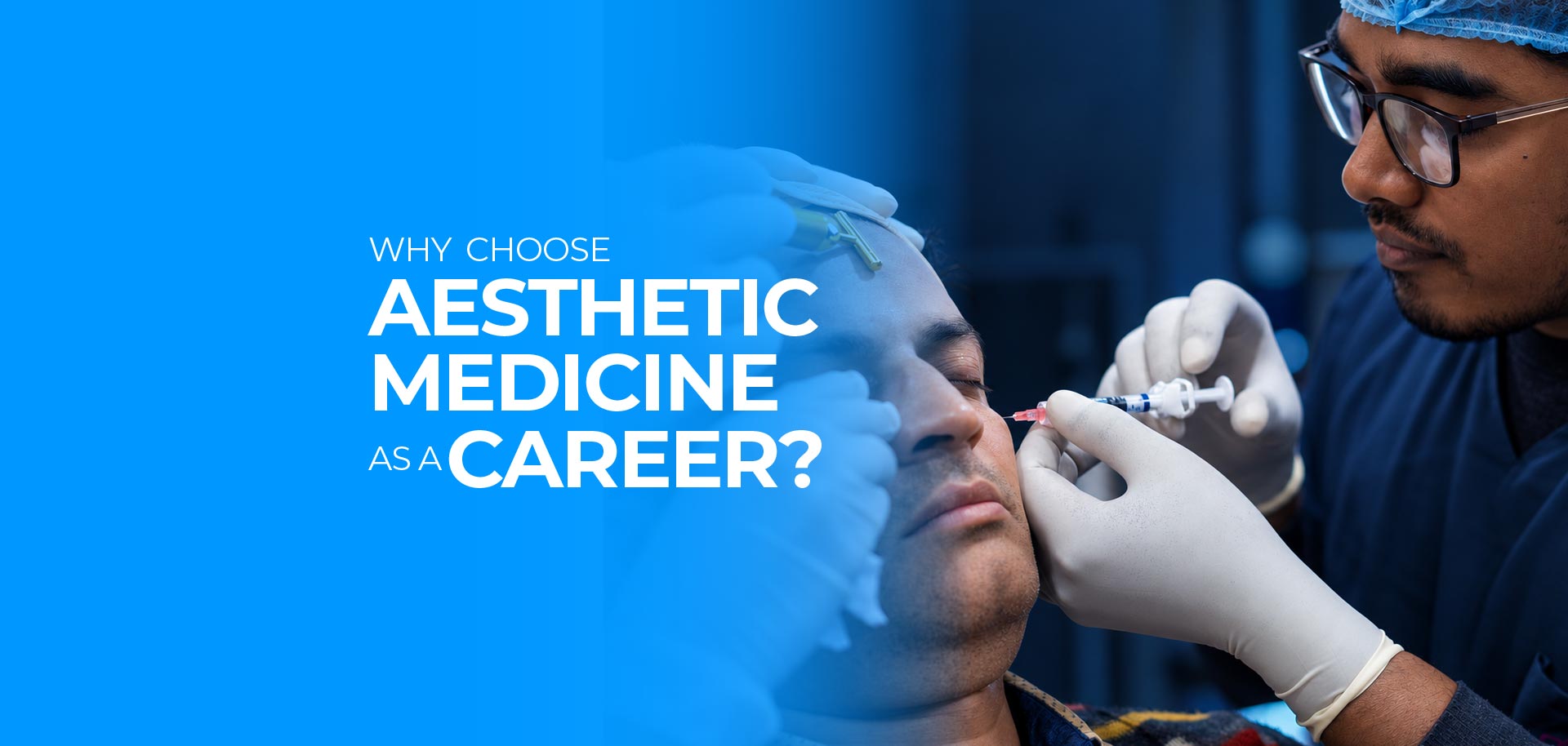
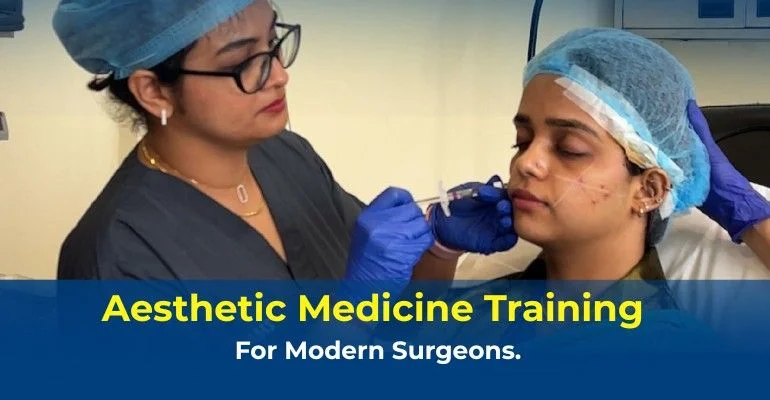
The global demand for minimally invasive cosmetic procedures continues to grow as patients increasingly seek effective treatments with minimal downtime. As a result, Aesthetic Medicine Training has become an essential professional development pathway for surgeons and physicians looking to expand their clinical expertise beyond traditional surgical procedures.
For Otorhinolaryngologists (MS, DNB, DLO), Plastic Surgeons (MCH, DNB), facial plastic surgeons, and other medical professionals, modern aesthetic medicine offers an opportunity to integrate evidence-based non-surgical treatments into their practice. From facial rejuvenation and injectables to skin enhancement procedures, structured training programs help practitioners develop the knowledge, confidence, and procedural skills necessary to meet evolving patient expectations.
This guide explains what an Aesthetic Medicine Training Course includes, who should enroll, key procedures taught, career opportunities, and how to choose the right program.
Key Takeaways
Aesthetic Medicine Training helps surgeons expand into non-surgical cosmetic treatments.
Programs typically cover injectables, facial rejuvenation, skin therapies, and patient assessment.
In OT Assistance enhances procedural confidence and clinical competence.
Aesthetic medicine complements surgical specialties such as ENT and Plastic Surgery.
Growing patient demand creates new career and practice development opportunities.
Choosing an accredited, evidence-based training program is critical for long-term success.
What Is Aesthetic Medicine Training?
Aesthetic Medicine Training is a structured educational program designed to teach medical professionals the principles and techniques of non-surgical cosmetic procedures.
The goal is to improve patient appearance, facial harmony, skin quality, and confidence while maintaining safety and ethical medical practice.
An Aesthetic Medicine Training Course generally combines:
Facial anatomy education
Patient consultation techniques
Treatment planning
Injectable procedures
Skin rejuvenation therapies
Complication management
In OT Assistance clinical exposure
Unlike traditional cosmetic surgery training, aesthetic medicine primarily focuses on minimally invasive treatments.
Who Should Join an Aesthetic Medicine Course?
Aesthetic medicine training is particularly beneficial for:
ENT Surgeons
Otorhinolaryngologists possess advanced knowledge of facial anatomy, making them ideal candidates for facial aesthetic procedures.
Plastic Surgeons
Plastic surgeons can complement surgical services with non-surgical aesthetic solutions for comprehensive patient care.
Facial Plastic Surgeons
These specialists often integrate injectables and facial rejuvenation treatments into rhinoplasty and facial reconstruction practices.
General Physicians
Doctors interested in expanding into cosmetic medicine can benefit from structured aesthetic education programs.
Dermatology Professionals
Skin-focused practitioners frequently pursue advanced facial aesthetics training to enhance treatment offerings.
What Procedures Are Taught in an Aesthetic Medicine Training Course?
A comprehensive Aesthetic Medicine Training Course may include the following procedures:
Treatment AreaSkills CoveredNeuromodulatorsFacial muscle assessment and injection techniquesDermal FillersFacial contouring and volume restorationSkin RejuvenationAnti-aging treatment planningFacial AssessmentAesthetic analysis and patient consultationComplication ManagementSafety protocols and corrective measuresCombination TherapiesMulti-modal treatment strategies
Facial Rejuvenation Techniques
Participants learn how to evaluate aging patterns and develop individualized treatment plans.
Injectables Training Course Components
Injectables remain one of the most requested aesthetic procedures worldwide.
Training often includes:
Facial anatomy mapping
Product selection
Treatment planning
Patient communication
Safety protocols
In OT Assistance procedural exposure
Patient Consultation Skills
Successful outcomes begin with accurate patient assessment and realistic expectation management.
Cosmetic Medicine vs Aesthetic Medicine: What’s the Difference?
Many professionals use the terms interchangeably, but there are subtle distinctions.
Cosmetic MedicineAesthetic MedicineFocuses on appearance enhancementFocuses on appearance and overall aesthetic harmonyOften procedure-specificIncludes comprehensive facial assessmentTreatment-centeredPatient-centered approachCosmetic outcome emphasisFunctional and aesthetic balance
In modern clinical practice, both fields frequently overlap.
How Can Facial Aesthetics Training Benefit Doctors?
Expanded Clinical Expertise
Doctors gain advanced knowledge of facial anatomy, aging patterns, and treatment planning.
Diversified Service Portfolio
Aesthetic services allow practitioners to broaden treatment offerings and serve a wider patient population.
Improved Patient Satisfaction
Patients increasingly seek comprehensive solutions that combine surgical and non-surgical options.
Enhanced Professional Growth
Facial aesthetics training can support career progression and practice development.
Why Is Injectables Training Important for Aesthetic Practice?
Injectable treatments require precision, anatomical understanding, and patient-specific planning.
Benefits of specialized Injectables Training Course programs include:
Enhanced procedural accuracy
Better patient outcomes
Increased confidence
Improved safety awareness
Stronger complication management skills
Because facial anatomy is complex, structured training remains essential before independent practice.
What Should Doctors Look for Before Enrolling?
Choosing the right Aesthetic Medicine Training program can significantly influence future success.
Consider the following factors:
Faculty Expertise
Look for programs led by experienced surgeons and aesthetic physicians.
Evidence-Based Curriculum
The curriculum should align with current scientific literature and international standards.
In OT Assistance Exposure
Practical clinical observation and supervised procedural experience are essential components of effective training.
Safety and Ethics Education
Complication prevention and patient safety should be central topics.
Alumni Success
Evaluate testimonials, outcomes, and professional achievements of previous participants.
Career Opportunities After Completing an Aesthetic Medicine Course
Graduates may pursue multiple pathways:
Private Practice Expansion
Integrate aesthetic treatments into an existing surgical or medical practice.
Dedicated Aesthetic Clinics
Work within specialized cosmetic medicine centers.
Multidisciplinary Medical Centers
Collaborate with dermatologists, plastic surgeons, and facial aesthetic specialists.
Medical Education
Experienced practitioners may eventually contribute to aesthetic medicine teaching and mentorship.
International Opportunities
The global growth of aesthetic medicine creates opportunities across various healthcare systems.
Industry Statistics and Market Trends
The aesthetic medicine industry has experienced substantial growth over the last decade.
Key trends include:
Rising demand for minimally invasive procedures
Increased patient awareness of facial rejuvenation options
Growth in preventive aesthetic treatments
Greater acceptance among younger patient populations
Increased integration of surgical and non-surgical treatment plans
These trends highlight why aesthetic education has become increasingly relevant for modern surgeons.
Expert Insights
Leading aesthetic educators consistently emphasize that successful outcomes depend on three key pillars:
Thorough understanding of facial anatomy.
Comprehensive patient assessment.
Structured clinical training and safety protocols.
Technical proficiency alone is not sufficient. Ethical decision-making and individualized treatment planning are equally important.
Conclusion
Aesthetic Medicine Training has become an increasingly valuable investment for modern surgeons and physicians seeking to remain competitive in an evolving healthcare landscape. By combining scientific knowledge, facial anatomy expertise, patient assessment skills, and practical clinical exposure, professionals can deliver safe, effective, and patient-centered aesthetic treatments.
For ENT surgeons, plastic surgeons, facial plastic surgeons, and other healthcare professionals, aesthetic medicine represents not only a growing field but also an opportunity to enhance patient care, diversify services, and achieve long-term professional growth.
Frequently Asked Questions
What is an Aesthetic Medicine Course?
An Aesthetic Medicine Course teaches medical professionals how to perform non-surgical cosmetic procedures safely and effectively.
Who should enroll in Aesthetic Medicine Training?
ENT surgeons, plastic surgeons, facial plastic surgeons, dermatology professionals, and physicians interested in cosmetic medicine can benefit.
What procedures are typically included?
Programs often cover injectables, facial rejuvenation, aesthetic assessment, skin therapies, and complication management.
Why is facial anatomy important in aesthetic medicine?
Precise anatomical knowledge helps improve safety, treatment planning, and patient outcomes.
Is practical clinical exposure important?
Yes. In OT Assistance and supervised clinical learning help bridge the gap between theory and real-world practice.
What career opportunities are available after training?
Graduates may expand existing practices, join aesthetic clinics, pursue private practice opportunities, or contribute to education and research.
Recon Institute of Aesthetic Medicine & Surgery
Recon Institute of Aesthetic Medicine & Surgery publishes structured academic resources for surgeons in rhinoplasty and facial aesthetics.
Published Jun 10, 2026